Get Chimney Cap Replacement
Chimney cap replacement services help property owners prevent water damage, pests, and debris buildup by replacing or installing protective covers on chimneys with the help of local contractors.
Property owners considering chimney cap replacement often recognize the importance of protecting their homes from weather damage, pests, and debris. A properly functioning chimney cap can prevent water intrusion, keep animals out, and reduce the risk of fire hazards. Exploring options for this work is a practical step for those looking to maintain the integrity and safety of their property, especially in areas where seasonal weather can take a toll on outdoor structures.
For individuals planning a home improvement project, comparing local contractors who specialize in chimney cap replacement can help ensure quality results. Many service providers offer experienced craftsmanship and tailored solutions to meet specific needs. Continuing to explore your options can lead to finding the right professionals to handle the work efficiently and effectively.
- homeowners may need chimney cap replacement when their existing cap is damaged or missing. - property owners should consider replacing their chimney cap if it shows signs of rust or corrosion. - individuals experiencing downdrafts or water leaks inside their home might require a new chimney cap. - those upgrading or renovating their fireplace system may opt for a chimney cap replacement to improve functionality. - during routine chimney inspections, service providers often recommend cap replacement if the current one is compromised.
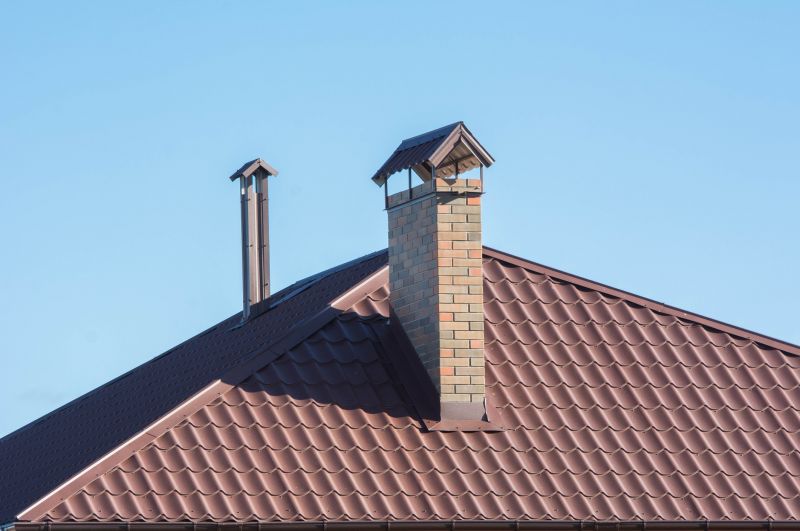
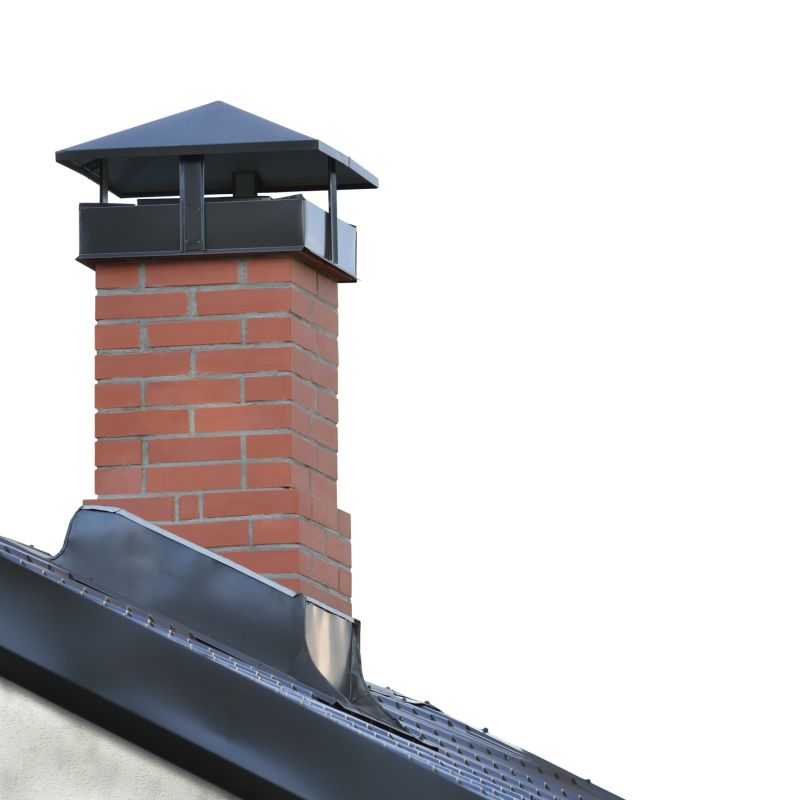
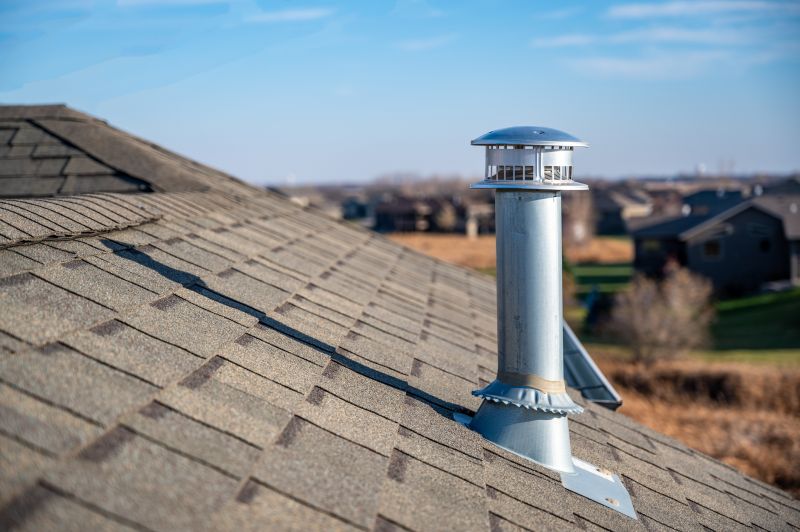
Chimney cap replacement services involve removing an existing chimney cap and installing a new one to protect the chimney opening. The process typically includes inspecting the current cap for damage or wear, selecting a suitable replacement that matches the chimney’s specifications, and securely installing the new cap to prevent debris and animals from entering. Proper installation ensures the chimney remains protected from the elements and functioning efficiently. These services are essential for maintaining the integrity of a chimney and preventing potential issues caused by inadequate or damaged caps.
Replacing a chimney cap helps address common problems such as water intrusion, animal entry, and debris buildup. Over time, caps can become rusted, cracked, or dislodged, which exposes the chimney to moisture that can lead to deterioration or mold growth. Animals like birds or squirrels may also find their way inside if the cap is compromised, causing blockages or damage. Additionally, a damaged cap can allow leaves, twigs, or other debris to clog the chimney, increasing the risk of smoke backdrafts or fire hazards. Timely replacement can prevent these issues and extend the lifespan of the chimney system.
Chimney cap replacement services are typically used for residential properties, including single-family homes, townhouses, and condominiums. These properties often have wood-burning fireplaces, pellet stoves, or gas appliances that rely on a properly functioning chimney system. Commercial or multi-unit residential buildings with chimneys may also require cap replacements to ensure safety and compliance. Homeowners who notice signs of damage, rust, or debris buildup around their chimney may find it necessary to seek professional replacement services to maintain proper operation and protect their property.
When considering chimney cap replacement, it’s important to identify signs of wear or damage, such as rusted or missing caps, water stains on interior walls, or debris blocking the chimney opening. If the chimney appears to be leaking or if animals are frequently found inside, these can be indicators that a new cap is needed. Local contractors experienced in chimney services can evaluate the condition of the existing cap and recommend appropriate replacements. Properly maintaining and replacing chimney caps helps ensure the safety, efficiency, and longevity of the chimney system for any property that relies on it.
The overview below groups typical Chimney Cap Replacement projects into broad ranges so you can see how smaller, mid-sized, and larger jobs often compare in your area.
In many markets, a large share of routine jobs stays in the lower and middle ranges, while only a smaller percentage of projects moves into the highest bands when the work is more complex or site conditions are harder than average.
Smaller Repairs - typical costs for minor chimney cap repairs or replacements generally range from $250 to $600. Many routine jobs fall within this middle range, depending on the cap material and accessibility.
Standard Replacement - replacing a standard chimney cap usually costs between $600 and $1,200. Most projects in this category are straightforward and stay within this typical range.
Custom or Larger Caps - custom-designed or larger chimney caps can cost from $1,200 to $2,500, with fewer projects reaching into this higher tier due to increased complexity or size.
Full Chimney Cap System - complete replacement of a chimney cap system, including multiple caps or extensive work, can range from $2,500 to $5,000+ for larger, more complex projects handled by local contractors.
Actual totals will depend on details like access to the work area, the scope of the project, and the materials selected, so use these as general starting points rather than exact figures.
Chimney Crown Repair - professionals skilled in masonry and waterproofing can handle repairs to chimney crowns, which are essential for protecting chimney openings similar to caps.
Flue Pipe Installation - local contractors experienced in venting systems work on installing or replacing flue pipes, requiring similar knowledge of chimney structures and safety considerations.
Chimney Masonry Restoration - specialists who restore or rebuild chimney masonry also possess skills relevant to replacing or repairing chimney caps and their supporting structures.
Chimney Waterproofing - service providers who apply waterproofing treatments to chimneys have expertise in sealing and protecting chimney components, akin to cap replacement preparations.
Venting System Upgrades - local pros who upgrade or modify venting systems are familiar with chimney components and planning, paralleling the work involved in cap replacement.
Chimney Flashing Replacement - contractors replacing flashing around chimneys have experience with sealing and protecting chimney joints, which complements cap installation skills.
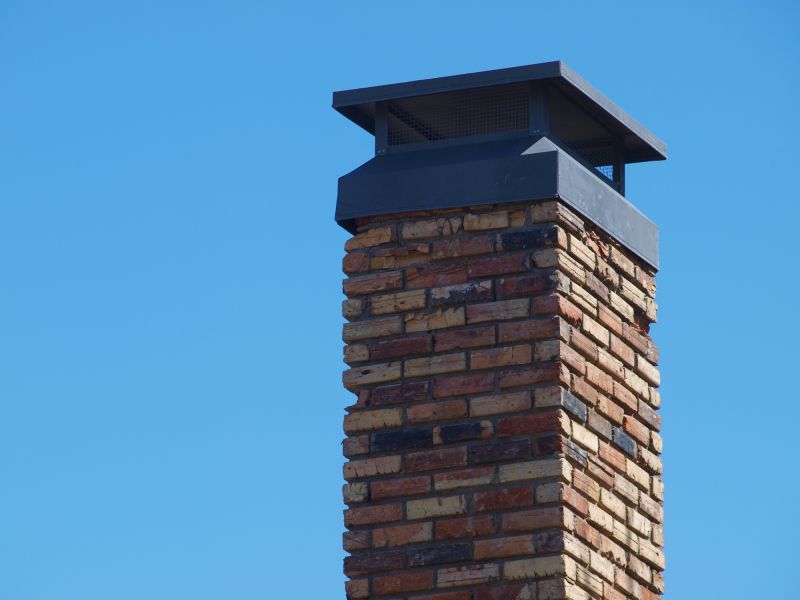
When comparing service providers for chimney cap replacement, it’s important to evaluate their experience with similar projects. Homeowners should look for local contractors who have a proven track record of successfully completing chimney cap replacements, particularly those that match the specific requirements of their home. Asking about the number of similar jobs completed and seeking any relevant examples can help ensure the chosen professional has the necessary background to handle the work efficiently and effectively.
Clear written expectations are a key factor in selecting a reliable service provider. Homeowners should seek out local pros who can provide detailed descriptions of the scope of work, materials to be used, and any other relevant details in writing. This clarity helps prevent misunderstandings and ensures all parties are aligned on what the project entails. A well-defined scope of work also allows homeowners to compare proposals more accurately and make informed decisions.
Reputable references and good communication are essential when choosing a chimney cap replacement contractor. Pros who can provide references from previous clients or showcase positive feedback are often more dependable. Additionally, effective communication-such as prompt responses to questions and transparent explanations of processes-can make the experience smoother. Remember, the site’s role is to introduce homeowners to local options that can handle the work; it does not perform the services itself. Carefully considering these factors can help ensure a successful project with a trustworthy local professional.
Property owners use Chimney Cap Replacement services for practical projects around their homes and businesses. This guide focuses on everyday jobs and straightforward project options.
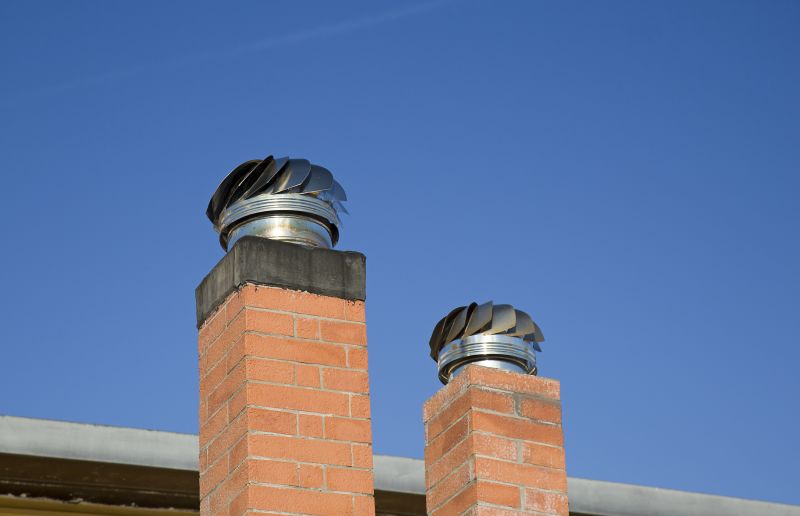
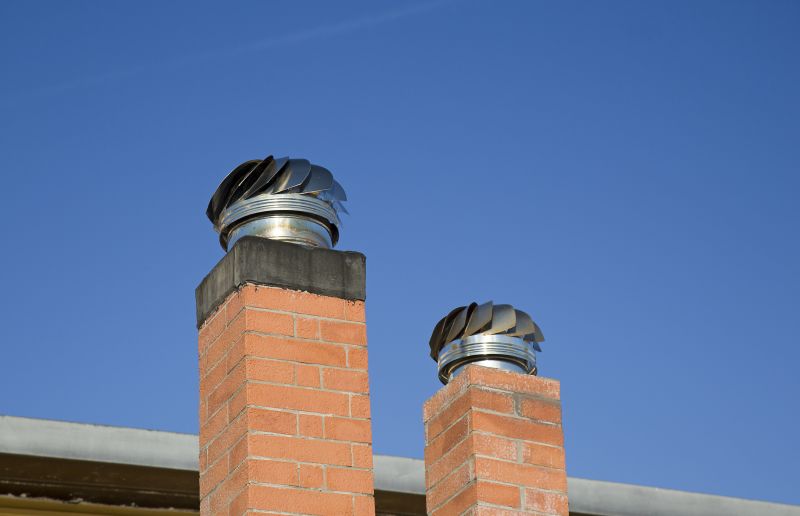
Chimney cap replacement is a common service that property owners might seek when their existing chimney caps become damaged, corroded, or show signs of wear. Over time, exposure to the elements can cause caps to rust or loosen, which may lead to debris, animals, or water entering the chimney. Local contractors can assess the condition of a chimney cap and replace it to help maintain the chimney’s proper function and prevent potential damage to the property.
Additionally, homeowners may look for chimney cap replacement after experiencing issues such as increased drafts, animal intrusions, or water leaks. A properly installed cap serves as a protective barrier that keeps out pests and water while allowing smoke and gases to vent safely. Service providers in the area can handle these replacement projects efficiently, ensuring the chimney remains protected and performs as intended.
Why should I replace my chimney cap? Replacing a damaged or outdated chimney cap helps prevent debris, animals, and water from entering the chimney, which can protect the structure and improve safety.
How do I know if my chimney cap needs replacement? Signs include visible rust, corrosion, missing parts, or if the cap is damaged or no longer fits securely on the chimney.
What materials are common for chimney cap replacements? Common materials include stainless steel, copper, and galvanized steel, chosen for durability and resistance to weather conditions.
Can local contractors install a chimney cap without extensive chimney work? Yes, most chimney cap replacements are straightforward and can be handled by service providers experienced in chimney maintenance.
Is chimney cap replacement necessary for all types of chimneys? While not mandatory for every chimney, replacement is recommended if the existing cap is damaged or no longer effectively protects the chimney opening.
Improve chimney safety - Replacing a damaged or outdated chimney cap helps prevent debris, animals, and water from entering the chimney, reducing potential hazards.
Enhance chimney performance - A properly fitted chimney cap can improve draft and airflow, making fireplace or stove use more efficient.
Protect the property - Installing a new chimney cap can help prevent water leaks and damage to the chimney structure over time.
Maintain aesthetic appeal - Upgrading or replacing a chimney cap can contribute to the overall look of the home's exterior.
If you are thinking about Chimney Cap Replacement for a property, this guide is meant to help you understand the work, the typical project types, and how different options might fit your plans.
When you are ready, you can use the quote form on this page to share a few details about your project. From there, local pros can review the basics and respond with options that match what you have in mind.